How to Light your Kitchen Properly
The secret to effective kitchen lighting is layering. By combining these three layers, you can create a room that is both functional for cooking and inviting for dining:
- Ambient Lighting – Provides an even illumination across the entire room.
- Task Lighting – Bright, focused light, delivered just where you need it for chopping, slicing and cooking.
- Accent Lighting – Adds dramatic effect by highlighting architectural features and shelves
Explore our kitchen lighting design guide and learn how to plan the perfect lighting layout for your room.
Kitchen Ceiling Lights
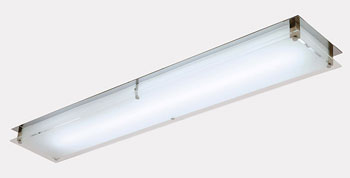
The foundation of your kitchen lighting ambience. Choose sleek flush or semi-flush fittings for low ceilings or LED downlights for a minimalist look. These options deliver even, shadow-free lighting and are ideal for general illumination, especially when combined with task and accent lighting layers.
Kitchen Pendant Lights
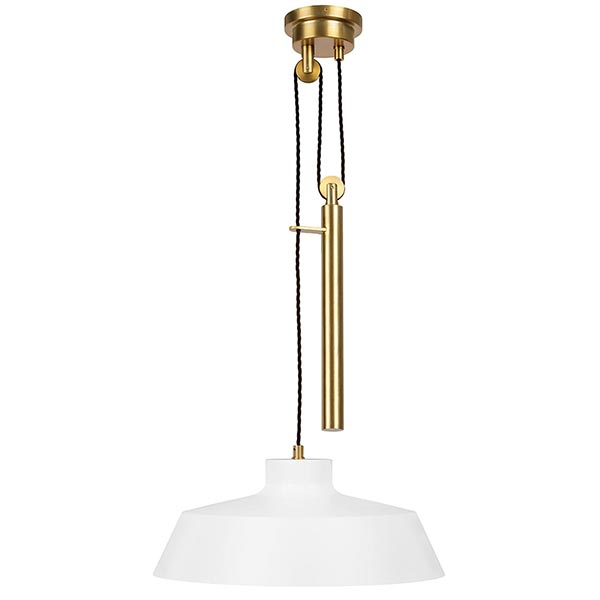
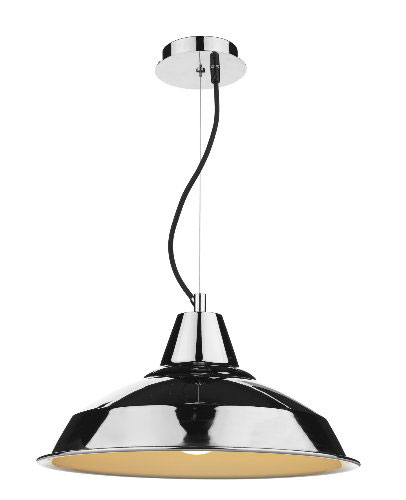
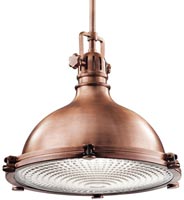
The most popular choice for kitchen islands, breakfast bars or over dining tables. They look stylish whilst providing excellent task lighting. We have single pendants, multi-drop cluster fittings, linear bar designs and modern pendants, offering the best style for both contemporary and traditional kitchens.
Under-Cupboard Lighting
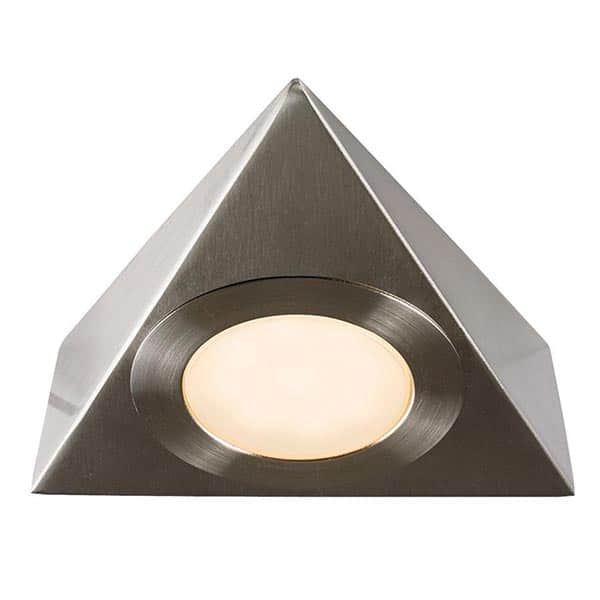
Good task lighting under your kitchen cabinets is essential for safety and visibility. Under-cupboard LED lighting eliminates dark areas to make food preparation easier and adds a high-end feel to your kitchen furniture. Our energy-efficient LED lights are discreet, long-lasting and surprisingly easy to fit underneath your cupboards and cabinets.
Avoid These Common Kitchen Lighting Mistakes
Many people invest in beautiful lights only to end up with a kitchen that feels disappointingly harsh or shadowy. Here are the most frequent pitfalls and how to avoid them:
- Using only one type of lighting: Relying solely on ceiling lights creates dark shadows on worktops and makes the room feel dull and uninviting.
- Choosing the wrong colour temperature: Too cool (over 4000K) can make your kitchen feel harsh and clinical, and your food look less appetising. Too warm everywhere can reduce visibility for cooking. The optimum approach is to mix warm white (2700–3000K) for ambience with neutral/cool white (around 4000K) for task areas.
- Poor positioning: Pendants hung at the wrong height or downlights positioned incorrectly can cast unwanted shadows while cooking and prepping food or create annoying glare.
- Forgetting dimming options: Without dimmer switches (or smart bulbs), you won’t have the option to adjust the mood from when you are cooking to soft evening entertaining.
Get these details right, and you can change an okay kitchen to one that feels professionally designed and enjoyable to use every single day.
Why Choose Universal Lighting?
- One of the widest selections of kitchen lighting in the UK
- Free delivery on all orders over £75
- Fast dispatch with a minimum 2-year warranty on most products
- 30-day no-quibble returns policy
- Genuine expert advice from a team that truly understands lighting design
Not sure which combination will work for you? Our friendly customer care team are on hand to help you create a beautiful and practical lighting scheme for your kitchen.
Call us on 0151 650 2138 or visit our showroom on the Wirral.
Frequently Asked Questions (FAQs)
What is the best type of lighting for a kitchen?
The best kitchen design uses a layered approach combining ambient, task and accent lighting. This ensures that your room is practical for cooking whilst remaining warm and inviting for socialising.
Should I use warm white or cool white in my kitchen?
Most of our customers prefer warm white for a cosy, welcoming feel. Cool white is excellent for task areas to make colours appear more accurate and heightened visibility.
How many lights do I need in my kitchen?
This depends on the size and layout of your room. Larger kitchens will generally require various light sources, including ceiling lights, task lighting and feature lighting such as pendants.
Where should my lights be positioned
They should be placed to minimise shadows and maximise usability. Task lighting should be installed directly over work surfaces, while ambient lighting should cover the whole room.
Can I use a pendant over a kitchen island?
Absolutely, in fact, pendants are the best choice over a kitchen island. Space them evenly and hang them at 75-90cm above your work surface for the perfect look.
Balancing natural light and kitchen lighting?
Natural daylight changes throughout the day and across seasons, so it should be treated as part of your overall lighting plan. The most effective kitchen designs combine daylight with layered artificial lighting to maintain consistent brightness. Using dimmable lights or smart bulbs allows you to adjust your lighting levels as daylight fades, ensuring your kitchen remains comfortable and functional from morning through to evening.
What is plinth or kick board lighting?
Installing lights in or over your kitchen plinths is a great way to create a soft glow at floor level. Fitting LED strips or small decking lights under your base cabinets can make your kitchen feel larger and more premium while providing subtle night-time guide lighting.